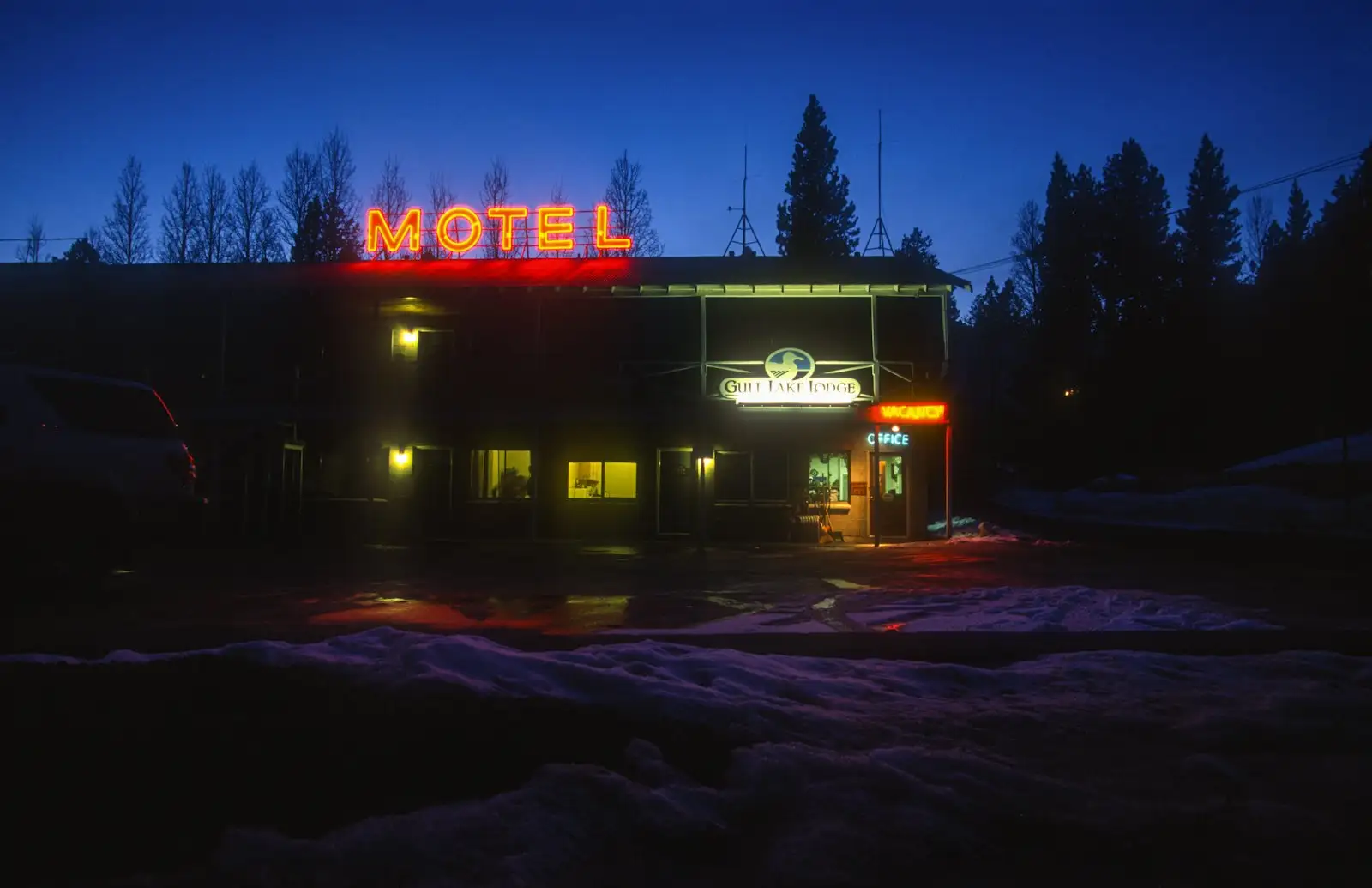
A hotel sale is a business sale and a real estate sale
When a motel, hotel or small inn changes hands, the buyer usually acquires an operating business along with the land and building: furniture, fixtures and equipment (FF&E), the name or franchise, booking channels and reputation, forward reservations, staff, and licences. Price is driven by the income the business produces, not by the building alone.
The deal can be structured as an asset purchase (the buyer takes the property and chosen assets) or a share purchase (the buyer buys the company that owns them, including its history and liabilities). The choice affects property transfer tax, GST, income tax and how much risk the buyer inherits, so it should be settled with a lawyer and accountant before the offer. Tax on the sale side, including GST and capital gains, is covered on the sister site's guide to taxes when selling commercial property in BC.
Two BC rules apply specifically to buying a business's assets:
- PST on tangible assets. Furniture, equipment, software and supplies bought with a business are generally subject to 7% PST; goodwill and real property are not. If the seller is a PST-registered collector, it collects the tax; otherwise the buyer self-assesses (Province of BC, buying and selling a business).
- PST clearance certificate. The province states that a purchaser who does not obtain a clearance certificate "is liable for an amount equal to any outstanding amount owed by the collector." Get the certificate before closing, or hold back funds.
Valuation drivers: occupancy, ADR and RevPAR
Hotel performance is measured with three linked numbers:
- Occupancy: rooms sold divided by rooms available.
- ADR (average daily rate): room revenue divided by rooms sold.
- RevPAR (revenue per available room): room revenue divided by rooms available, which equals occupancy multiplied by ADR.
For context, Tourism Kelowna's 2025 Facts and Figures, using CoStar hotel data, reports Kelowna hotel occupancy of 66.7% (up 3.4 points from 2024), ADR of $208.17 (up 6.3%) and RevPAR of $138.89 (up 12%) for 2025 (Tourism Kelowna). Province-wide, Destination BC puts 2024 room revenue at $4.8 billion, up 4.2% from 2023, with accommodation at 27.5% of tourism revenue (Destination BC, Value of Tourism 2024).
A buyer compares the property's own trailing 12 to 36 months of occupancy, ADR and RevPAR with its competitive set and then values the net operating income after operating expenses, management and a reserve for FF&E replacement. Market pricing for hospitality is higher-yielding than for apartments or industrial, reflecting the operating risk. CBRE's Q2 2026 survey puts Vancouver hotel cap rates at 5.25% to 6.75% for downtown full-service, 6.50% to 8.00% for focused-service and 7.00% to 8.50% for suburban limited-service (CBRE Canadian Cap Rates Q2 2026). Smaller-market motels are not covered by that survey and trade on local evidence.
On the investment side, Colliers' Q2 2026 Canadian hotel report counted about $432 million of hotel sales nationally in the quarter, with Alberta and BC together at 68% of volume, a year-to-date average of $163,000 per key, and $245 million across five sales in Greater Victoria (Hotelier Magazine, on Colliers Q2 2026).
BC Assessment values hotels and motels by capitalizing net operating income, and deducts FF&E as a fixed percentage of the going-concern value, using nightly room rate as the unit of measure (BC Assessment, Hotel and Motel Properties Policy). That is why assessed values can move with a property's trading results. For valuation methods generally, see commercial property valuation.
How BC's short-term rental law affects motels and hotels
The Short-Term Rental Accommodations Act and its regulation mainly target homes and suites rented on platforms, not traditional hotels:
- Hotels and motels are outside the Act. The province lists hotels and motels (typically one property owned by one person or company) as fully exempt, with no registration required (Province of BC, principal residence requirement).
- Strata hotels are different. The regulation says a strata-titled hotel or motel is not a "hotel or motel" for this purpose. Some are exempt from the principal residence requirement only if they meet conditions, including an owner-exclusive booking platform, a staffed front desk and housekeeping, plus restrictions on principal-residence use of the units (Short-Term Rental Accommodations Regulation). Check a strata hotel's status before buying a unit or the rental pool.
- Competition from short-term rentals. Where the principal residence requirement applies, it limits whole-unit STRs that compete with motels. Local governments with rental vacancy of at least 3% for two consecutive years can opt out. Kelowna was given early opt-out status effective June 1, 2026, applying mainly to tourism-zoned downtown buildings; from 2027 the opt-out deadline moves to February 28 with a June 1 effective date (BC Gov News, April 17, 2026; Boughton Law).
For a buyer, the point is that STR supply in a given town can change with local vacancy rates and council decisions. Check the municipality's current status and bylaws when forecasting occupancy.
PST, MRDT and GST on room revenue
| Tax | Rate | Notes |
|---|---|---|
| PST on short-term accommodation | 8% | Provincial; collected and remitted by the accommodation provider |
| Municipal and Regional District Tax (MRDT) | Up to 3% | In participating areas, funds destination marketing; Kelowna charges 3% |
| GST | 5% | Federal; applies to stays of less than one month costing more than $20 a night |
Sources: Province of BC, PST on accommodation (May 21, 2026); Tourism Kelowna, MRDT FAQ; Canada Revenue Agency. PST and MRDT exemptions include accommodation provided to the same occupant for a continuous period of 27 days or more and accommodation at $30 or less per day. Kelowna's MRDT raised about $4.4 million in 2025.
In due diligence, compare the PST and MRDT returns with reported room revenue. Differences can reveal unreported cash revenue (which a buyer cannot rely on) or a tax liability that could follow the business.
Licences, franchise agreements and staff
- Liquor licenceIf the property has a bar, restaurant or lounge, the licence must be transferred to the buyer through the Liquor and Cannabis Regulation Branch. The application fee is $330, an expired licence cannot be transferred, and the seller keeps responsibility until the branch confirms the application is administratively complete (Province of BC).
- Business licence and other permitsCheck with the municipality whether the buyer needs a new business licence in its own name, and with the regional health authority about any food service permit.
- Franchise agreementA branded hotel's franchise agreement usually requires franchisor approval of a new owner, and ownership changes commonly trigger a property improvement plan (PIP) of required renovations (Baker & Company). Get the PIP and its cost before firming up the deal. BC's Franchises Act requires a franchisor to give a disclosure document at least 14 days before a franchisee signs or pays; a franchisee reselling for its own account without franchisor involvement is exempt (Franchises Act, s. 5).
- StaffUnder section 97 of the Employment Standards Act, when all or part of a business is disposed of, employees' employment is deemed "continuous and uninterrupted" by the sale (Employment Standards Act). Seniority carries over for statutory purposes, which affects notice and severance costs if the buyer later restructures. Review the staff list, wages, accrued vacation and any union agreement.
- Booking systems and contractsOnline travel agency accounts, the property management system, website and domain, group and corporate contracts, and deposits on forward bookings.
Financing challenges and Okanagan seasonality
Hotel and motel loans are harder to arrange than loans on leased buildings because the lender is underwriting an operating business whose revenue changes night by night. Expect lenders to ask for several years of financial statements, monthly occupancy and ADR history, tax returns and the buyer's hospitality experience, and to size the loan conservatively. See the commercial financing guide for lender types and documents.
Seasonality is central in the Okanagan. Tourism Kelowna reported that Q3 2025 hotel RevPAR rose more than 16% and occupancy about 9% year over year, with August the peak month and results holding above 2024 into September (Tourism Kelowna). Summer lake properties earn a large share of their annual revenue in a few months, while ski-area properties peak in winter. When reviewing a motel's financials:
- Look at monthly, not only annual, revenue to see how deep the shoulder and off seasons are.
- Check how the seller covers winter or summer staffing and fixed costs in slow months.
- Plan working capital for the low season, especially if the purchase closes just before it.
- Review any long-stay or monthly contracts used to fill off-season rooms; stays of 27 days or more change the PST and MRDT treatment and may raise tenancy questions.
A hotel purchase involves tax, franchise, employment and licensing law. Use a BC lawyer and an accountant experienced with hospitality, and an accredited appraiser (AACI) for any appraisal. A REALTOR® opinion of value is not an appraisal.
How Commercial Real Estate Group can help
Sean Phillips, REALTOR® with Coldwell Banker Executives Realty, works on the sale and purchase of motels, hotels and small hospitality properties across British Columbia, with a home base in the Okanagan. Owners considering a sale can start with selling commercial property, and buyers can book a free 10-minute Zoom intro. Paid advisory is quoted per property.